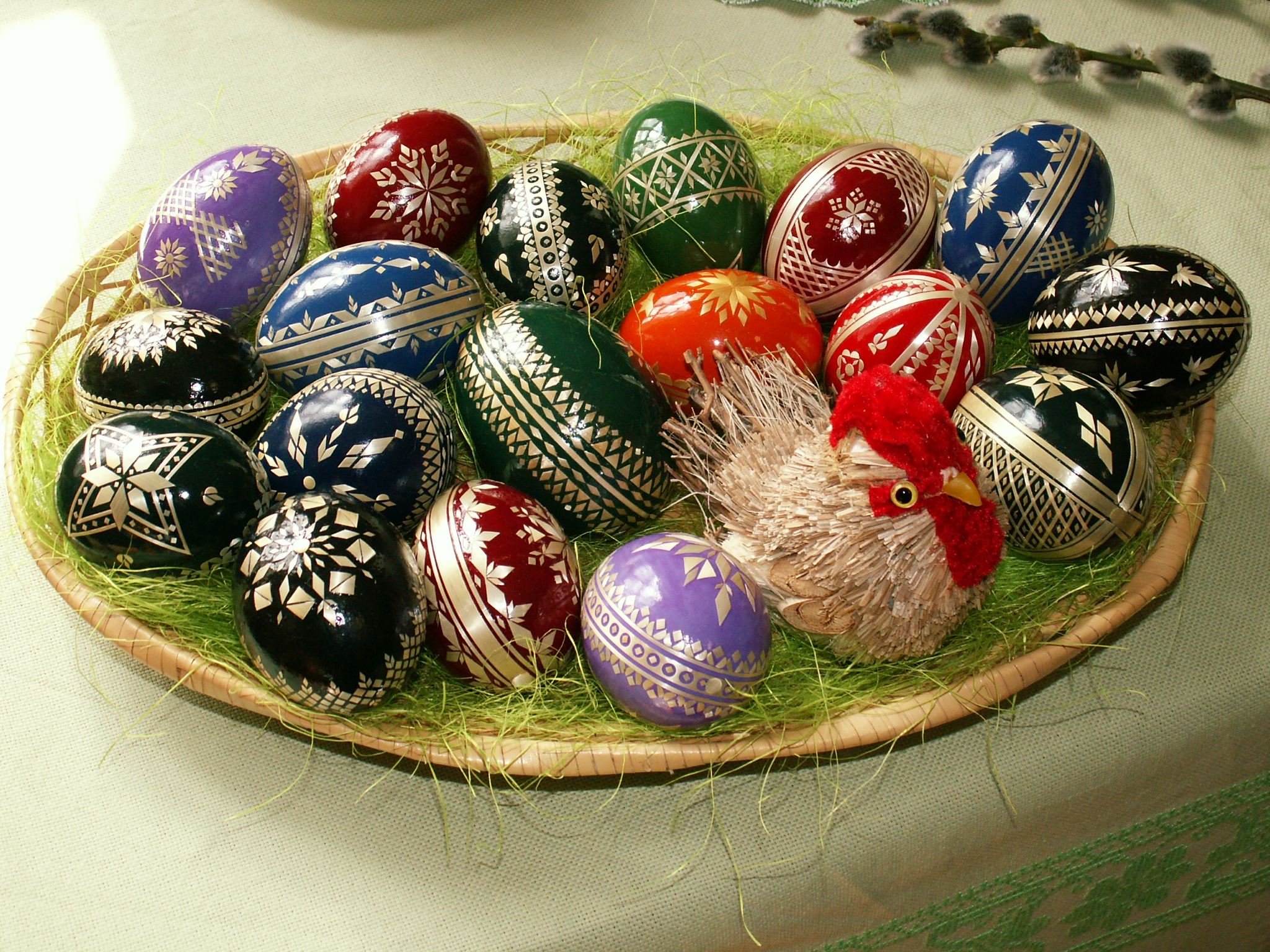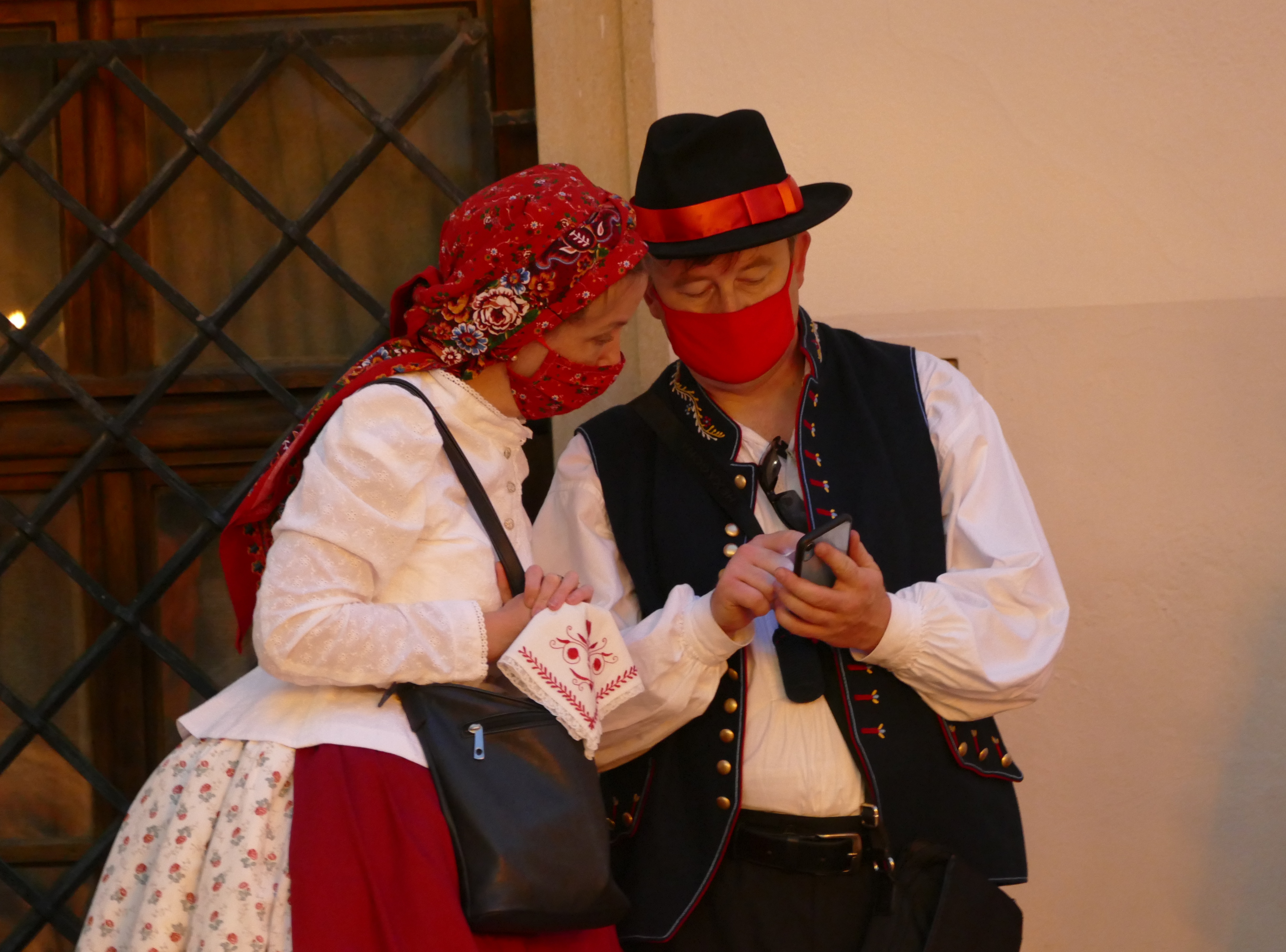
Masopust is not a single day but a period, and not a party but a ritual — one that has been performed in Czech villages for at least eight hundred years, shaped by both pagan agricultural belief and Christian liturgical timing.

What the Word Actually Means
The Czech word "masopust" breaks down simply: maso (meat) + pust (fast or give up). It is, literally, the farewell to meat before the forty days of Lenten fasting. Written records of Masopust celebrations in Bohemia and Moravia appear as early as the 13th century, though the festival's pagan core almost certainly predates Christianity in the region.
The pagan roots centered on driving out winter and ensuring a fertile spring. Many of the symbolic characters in the Masopust procession — the bear who must die, the straw figure burned at the end of Shrove Tuesday — carry this agricultural magic directly. The bear particularly: he was understood as a spirit of winter, and his ritual death in the procession meant the cold would release its grip on the fields.
The Three-Day Structure
Traditional Masopust observance runs across three days, each with distinct character:
Fat Thursday (Tučný čtvrtek)
The Thursday before Ash Wednesday was understood as the day to load the body with enough fat and sustenance to carry through the forty days of Lent. This was not gluttony for its own sake but a practical preparation, and the foods eaten — particularly koblihy (lard-fried doughnuts), livance (sweet yeasted pancakes), and smoked pork — were understood as medicinal in a folk sense. The belief held that eating heavily on this day would keep a person strong through the fast.
Masopust Sunday and Monday
The main processions moved through villages on these days. Married men gathered separately for a "men's ball" (muziky) that ran through the night. The procession itself involved costumed figures moving door to door, receiving food and drink at each household, building to a collective feast by evening.
Shrove Tuesday (Masopustní úterý)
The culminating day. After midnight, the procession would reach its end with the symbolic burial of the bass (pohřeb basy) — a mock funeral for a double bass, representing the death of music and celebration for the Lenten period. In some regions, a straw effigy was burned or drowned instead. The transition from Shrove Tuesday to Ash Wednesday at midnight had a theatrical finality.
In 2026, Masopust Shrove Tuesday falls on February 17. Fat Thursday is February 12. Major Prague celebrations occur in Smíchov, Žižkov, Lesser Town, and Břevnov throughout the week of February 12–17.

The Procession Characters
Each figure in the Masopust procession has a defined role and symbolic meaning. The cast varies by region, but the core characters appear consistently across Bohemia and Moravia:
- The Bear (Medvěd) — Led on a chain, the bear represents winter. His dance with participants in the procession enacts the defeat of cold.
- The Chimney Sweep (Kominík) — Smears soot on faces, particularly unmarried women, symbolizing the transfer of vitality and good luck.
- The Jew (Žid) — A historical figure collecting "taxes" (food and drink) at each stop. In modern celebrations, this character is frequently reinterpreted or omitted.
- The Bride and Groom — Represent fertility and the marriage season that Masopust traditionally concluded (weddings were forbidden during Lent).
- The Horse (Kůň) — A two-person costume. The horse dances through the procession, blessing households.
- Death (Smrt) — Appears as a skeleton figure, chasing participants and occasionally "killing" them in mock deaths during the procession.
Traditional Masopust Foods
The food dimension of Masopust is taken seriously. These are not casual snacks but ritual foods, and their preparation is part of the celebration:
- Koblihy — Fried doughnuts, sometimes filled with jam or rose hip preserve. The best koblihy are made with lard, not oil.
- Vepřo-knedlo-zelo — Roast pork with bread dumplings and sauerkraut. The simplest and most ritualized of Czech dishes.
- Bramboráky — Fried potato pancakes with marjoram and garlic.
- Livance — Small yeasted pancakes, traditionally served with sour cream and jam.
- Smažený sýr — Fried cheese, less traditional but now standard at village fairs.
Masopust Outside Prague
The authentic Masopust experience is found in smaller towns and villages, not in the Prague celebrations that attract tourism. The UNESCO-listed Shrovetide processions and masked dances of Hlinecko in the Bohemian-Moravian Highlands are the most rigorously preserved version of the tradition. Villages including Hlinsko, Vortová, Studnice, Hamry nad Sázavou, and Předhradí have maintained these processions continuously for centuries, and the UNESCO inscription in 2010 recognized this continuity.
In Moravia, the Masopust celebrations in villages of the Slovácko region incorporate folk music and dance that differ substantially from Bohemian traditions. The cimbalom (cimbál) replaces the bagpipes and fiddles of western Bohemia, and the wine-growing culture means the procession's "hospitality stops" serve moravian wine rather than beer.

Sources and Further Reading
Information on this page draws on documentation from the National Institute of Folk Culture (NÚLK) in Strážnice, the UNESCO listing for the Shrovetide processions of the Hlinecko region, and ethnographic literature on Czech carnival traditions. Updated: March 2026.