Masopust carnival procession in Prague
Czech Folk Culture

Seasons Marked by Living Tradition

From the masked processions of Masopust to the painted eggs of Velikonoce, Czech folk culture follows the rhythm of the agricultural year. These are not museum pieces — they are events happening in village squares across Bohemia and Moravia each year.

01

The Czech Folk Calendar

Czech traditional celebrations are tied to the agricultural year, each season carrying its own rituals, foods, and symbolic meanings that have survived centuries of change.

Masopust parade with traditional costumes
Winter — February

Masopust: The Czech Carnival

The word itself means "meat fast" in Czech. Masopust spans three days before Ash Wednesday, culminating in masked processions where specific characters carry symbolic weight — the bear representing winter's defeat, the straw figure burned to ensure spring's arrival.

Full Guide to Masopust
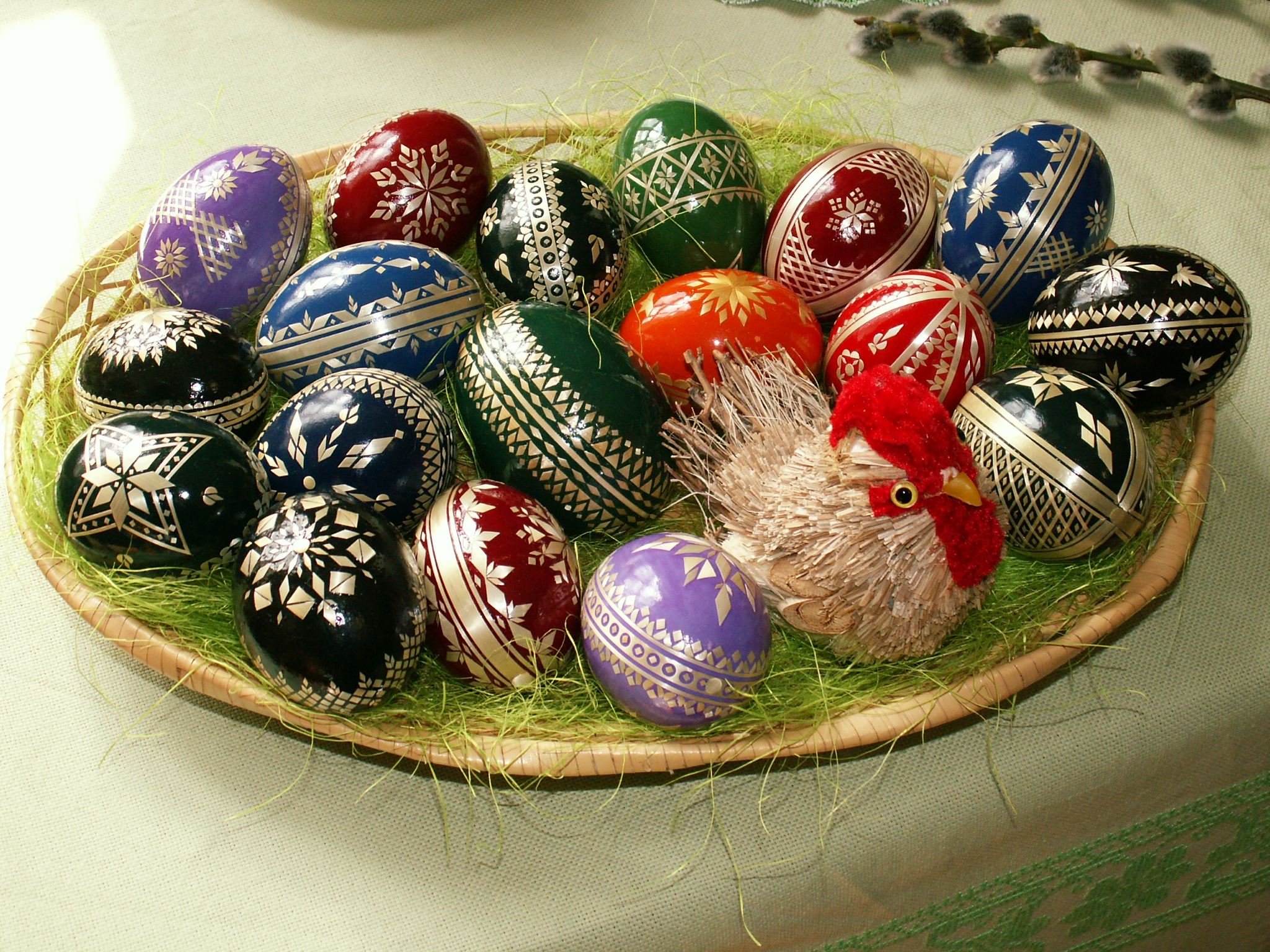
Hanácké kraslice, traditional Czech Easter eggs decorated with straw
Spring — March/April

Velikonoce: More Than Easter

Czech Easter traditions predate Christianity. The pomlázka whipping ritual — boys braiding willow switches and visiting households — carries ancient spring fertility symbolism. Kraslice egg decoration, meanwhile, is a serious craft with regional schools and distinct techniques from Haná to South Bohemia.

Easter Customs Explained
Traditional Czech folk costume at a cultural celebration
Summer/Autumn — July–August

Dozinky: The Harvest Ritual

When the last sheaf was cut, it was shaped into a female figure called "baba" and carried back to the farmyard in procession. Girls wore grain wreaths decorated with fruit and sweets. Villages still hold Dozinky celebrations with the česká beseda folk dance, burčák wine, and traditional foods.

About Dozinky Festival
Wallachian girls in Moravian traditional folk costume

Moravia Keeps the Old Ways

The traditions of Moravia — particularly in regions like Slovácko, Haná, and Valašsko — are maintained with a consistency that surprises visitors. Folk costume (kroj) is still worn at festivals, not as a performance for tourists but as a genuine expression of regional pride. The differences between regional styles are significant: embroidery patterns, headwear, and fabric choices vary from village to village.

In villages like Strážnice, the annual International Folklore Festival draws performers from across the Czech Republic, but the surrounding communities participate with their own kroj as part of daily celebration, not exhibition.

Regional Traditions

02

Kraslice: Where Technique Meets Meaning

Czech Easter egg decoration is not a single craft but a family of related techniques, each with regional variation and distinct symbolic vocabulary.

03

The Folk Calendar Month by Month

Each month in the Czech folk calendar carries specific customs, foods, and observances. Here are the major tradition markers.

January — February

Masopust Season

The carnival period technically begins after Three Kings Day (January 6) and runs until Ash Wednesday. In practice, the main events fall in the final three days: Fat Thursday, Masopust Sunday, and Shrove Tuesday. The masked procession through the village is the heart of the celebration.

March — April

Velikonoce Easter Week

Palm Sunday marks the start, with pussywillow branches replacing palm fronds. By Holy Thursday, households begin the kraslice work in earnest. Easter Monday is the day of the pomlázka — boys visit homes, women reward them with eggs and ribbons, and the day ends with music and dancing.

December 13

Lucka — St. Lucy's Day

In Moravia, girls dressed in white with paper beaks visited households on St. Lucy's Day to check whether homes were properly kept and customs observed. The silent, slightly menacing visits were believed to ward off witches and ensure the household's prosperity through winter.

December 5

Mikuláš Eve

The Czech version of St. Nicholas Eve involves Mikuláš (a bishop), an angel, and a devil (čert) visiting homes together. Children recite poems or songs and receive sweets or coal depending on behavior. The devil's role — dragging away naughty children in a sack — makes this tradition more visceral than its Western counterparts.

July — August

Dozinky Harvest Festival

Traditional harvests ended between St. Margaret's Day (July 13) and St. Lawrence's Day (August 10). The last sheaf ritual and wreath procession marked the end of hard labor. Village celebrations included the česká beseda, a formal folk dance requiring four couples, and communal feasting with buchty pastries and fresh burčák.

04

Four Regions, Four Voices

Czech folk tradition is not monolithic. The differences between Bohemia, Moravia, Silesia, and the Bohemian-Moravian Highlands are significant and meaningful to those who live within them.

Bohemia

Bohemian folk traditions tend toward sobriety in costume color, with white linen dominant and embroidery restrained. The Chodsko region near the German border maintains the bagpipe (dudy) as a central folk instrument. South Bohemian kraslice use pin-dot patterns and chain borders around a central star motif.

Moravia — Slovácko

The richest folk tradition in the country. Slovácko kroj is densely embroidered, with women's headdresses (čepec) requiring weeks of skilled work. The Strážnice Folklore Festival and Ride of the Kings in Vlčnov are UNESCO-recognized. Regional wine culture intertwines with harvest celebrations distinctively here.

Moravia — Haná

The Haná lowlands around Olomouc developed one of the most distinctive kraslice styles — the Hanácké kraslice use straw appliqué technique rather than wax-resist dyeing. Haná folk costume features a characteristic blue-and-white color scheme and geometric embroidery patterns quite different from Slovácko.

Valašsko

The Wallachian highlands of eastern Moravia preserve a pastoral tradition tied to sheep herding. Wallachian folk music uses the fujara (long shepherd's flute) and violin. The Rožnov pod Radhoštěm open-air museum (Valašské muzeum) holds the largest collection of preserved folk architecture in Central Europe.

Questions About Czech Folk Culture?

This guide draws on ethnographic sources, regional museum documentation, and firsthand accounts from Czech cultural practitioners. If you have specific questions about traditions, regional differences, or upcoming events, reach out directly.

editor@ilesabiapi.eu